


Insomnia Sleepless Sleep Aid Insomnia Device for insomnia Depression Anxiety and Head Pain ATANG CES Migraine
$309.99$402.9923% off
Color: EU Plug Sleep Aid-1
Quantity
Share
PRODUCT DETAIL
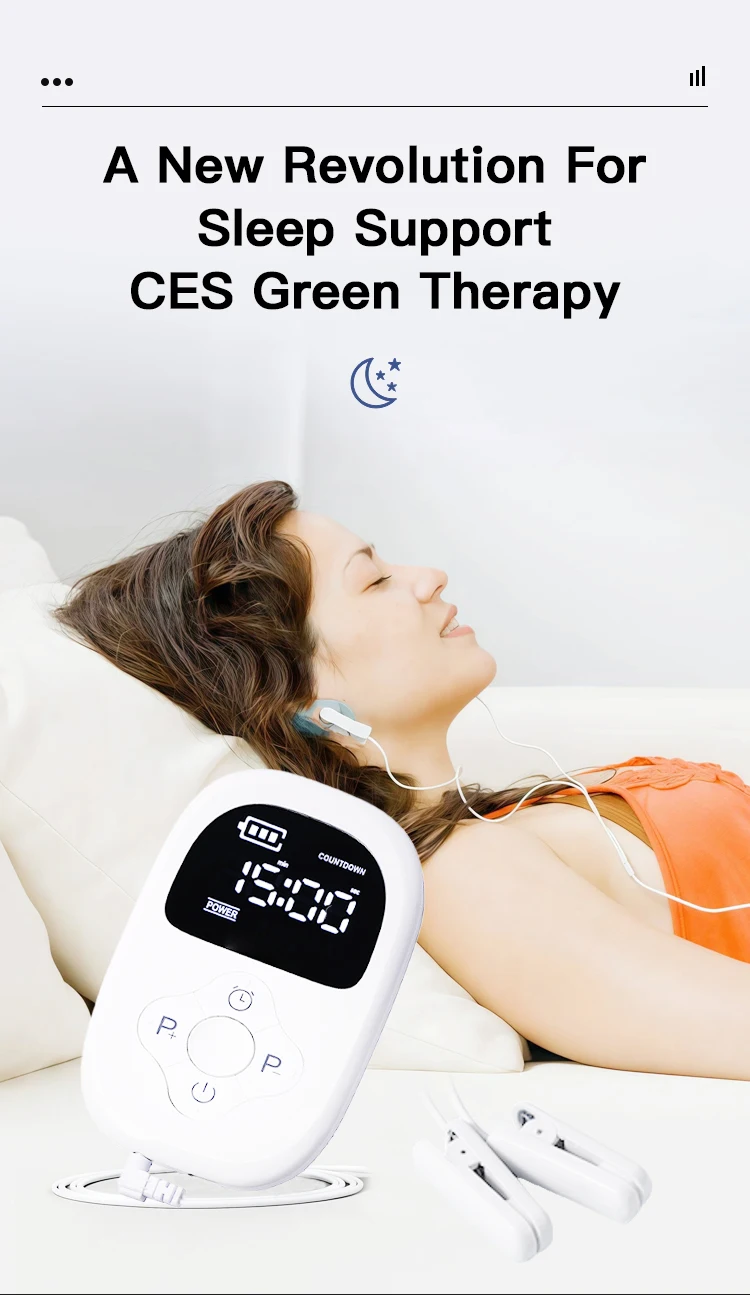
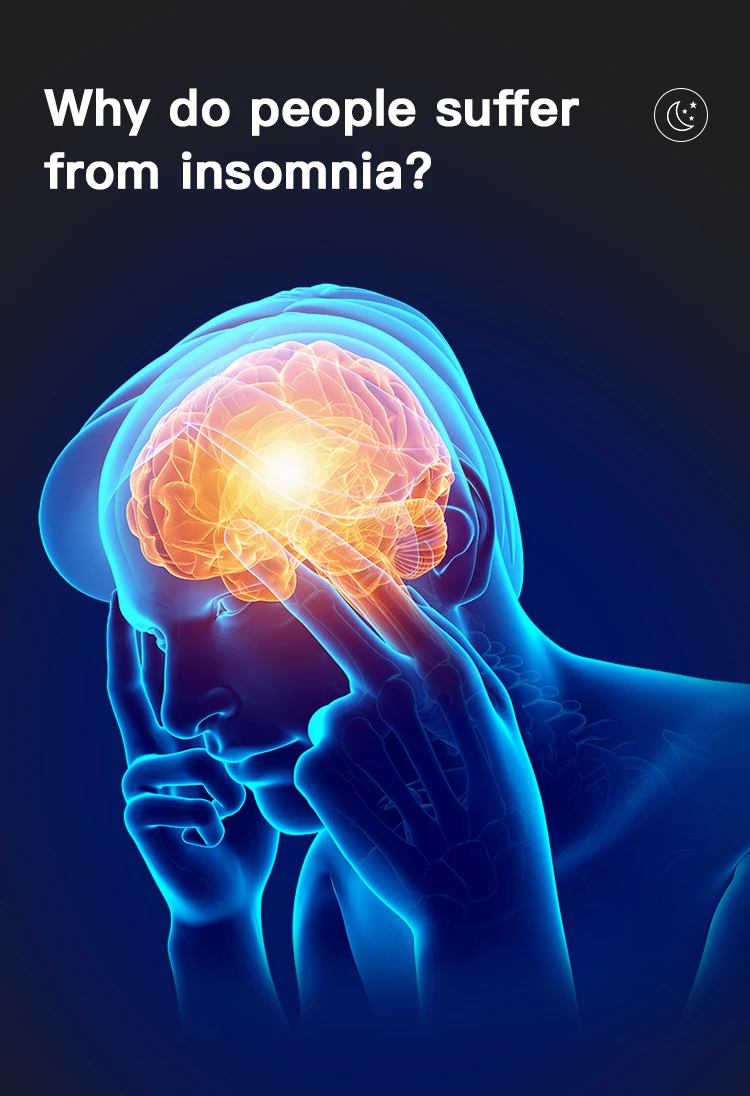
What Is CES ?
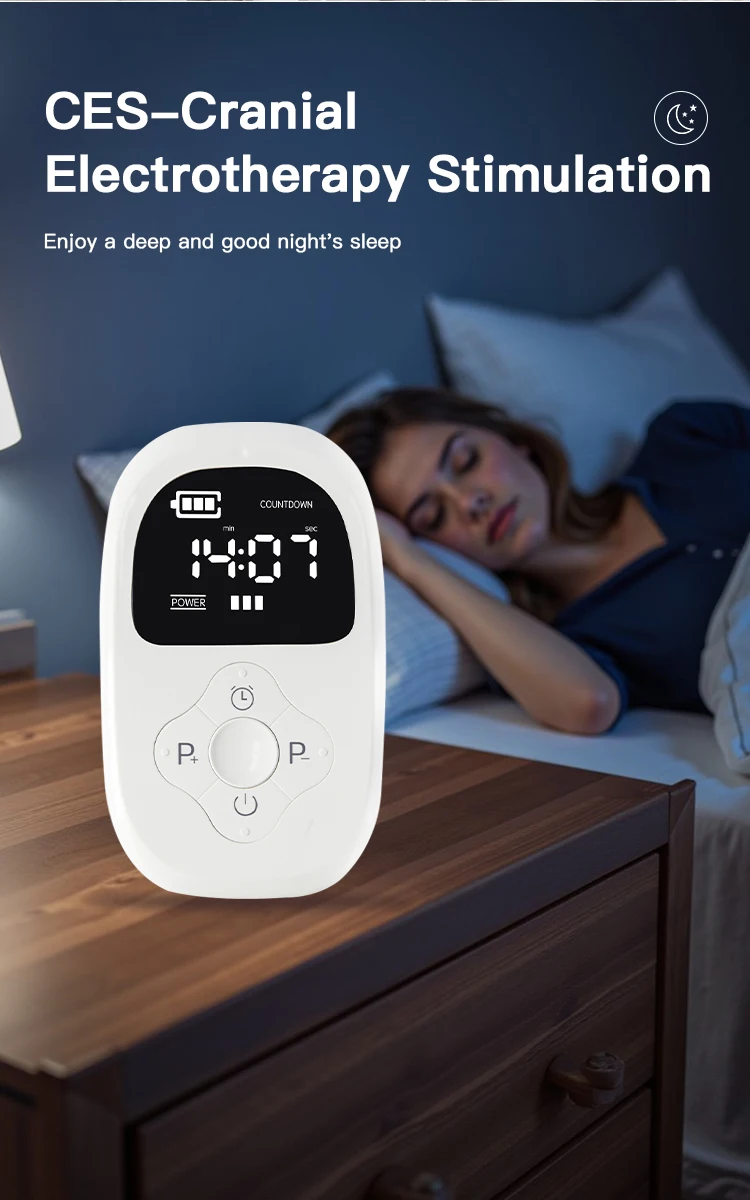
Cranial electrotherapy stimulation (CES) is a completely different treatment method from traditional drug therapy and electroconvulsive therapy. It stimulates the brain through low-intensity micro-currents and changes the brain waves of abnormal brains. The brain secretes a series of neurotransmitters and hormones that are closely related to diseases such as anxiety, depression, and insomnia, in order to achieve treatment of these diseases.
How CES works?
CES stimulates the brain to produce serotonin while lowering cortisol (the stress hormone).
gently stimulate the brain to produce serotonin and other neurochemicals responsible for healthy mood and sleep.
enables the brain to produce serotonin naturally while improving the brain's ability.
to regulate the limbic system. To treat depression, anxiety and insomnia, as well as chronic pain when used on the body
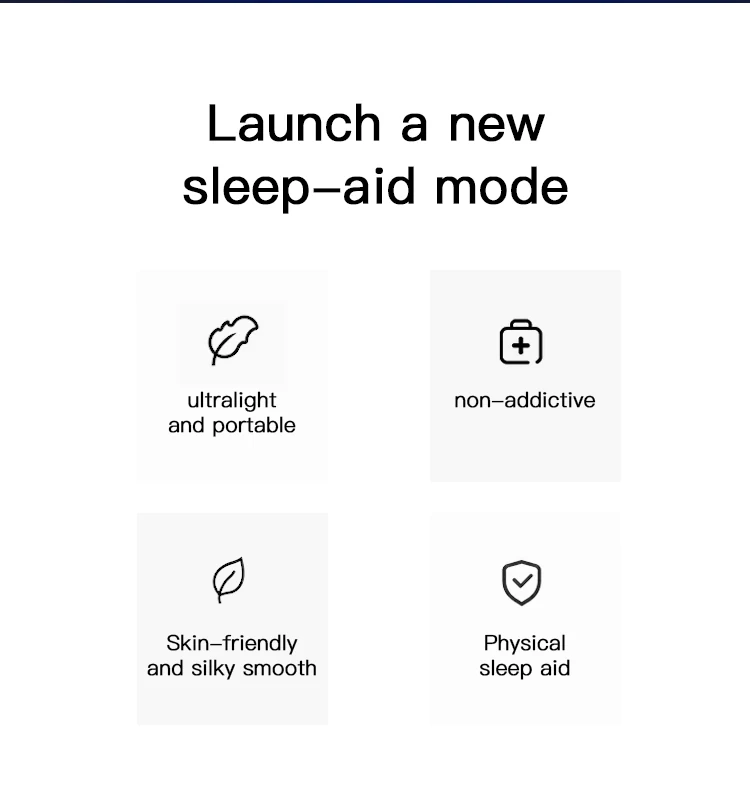
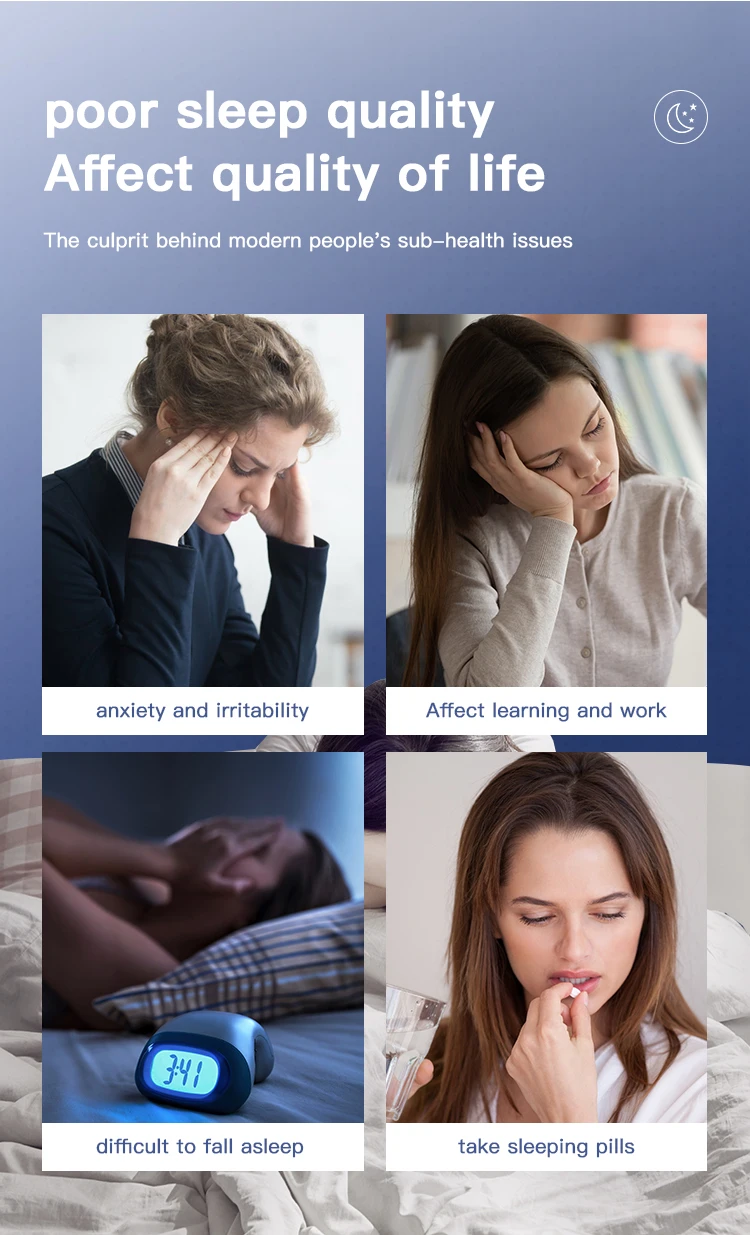
Scientific research and treatment principles
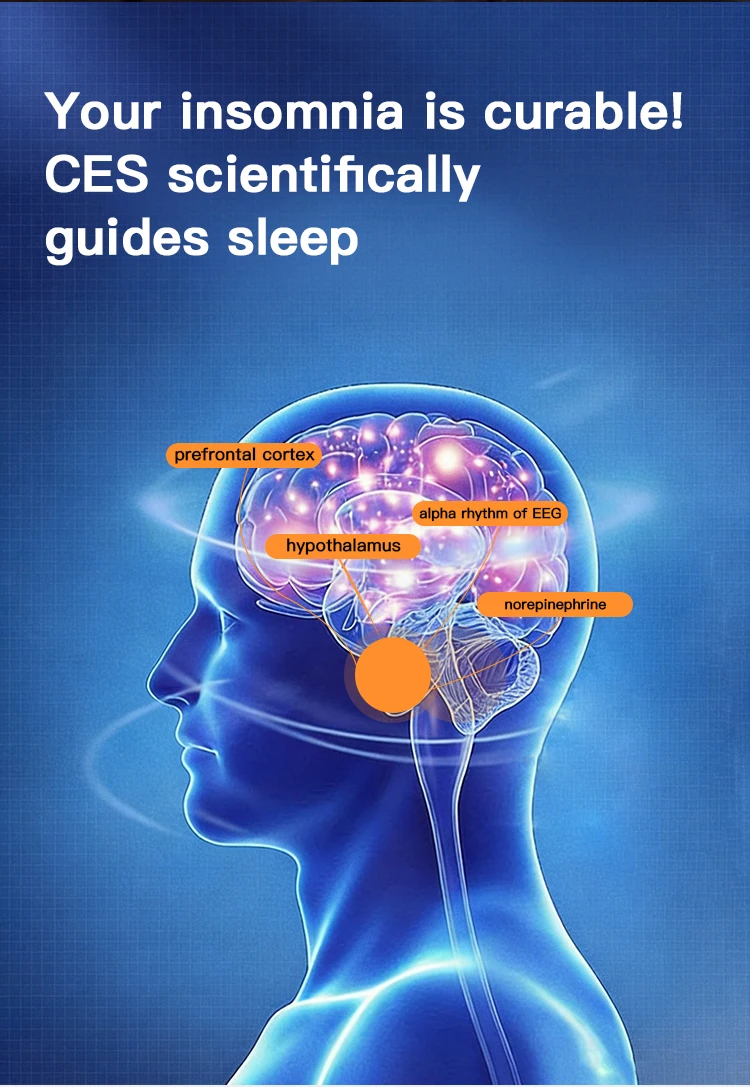
The treatment principle of CES is essentially a special patent waveform transmitted to the skull directly stimulates the brain, hypothalamus, limbic system and reticular system of the mental and emotional activities of the supervisor.
Why CES Therapy Improves Sleep (4 Core Scientific Mechanisms)
① Balances sleep-regulating neurotransmitters
Stimulates the brain to produce more calming, sleep-promoting chemicals:
GABA (Gamma-Aminobutyric Acid): The brain’s main inhibitory neurotransmitter; quiets racing, overactive thoughts
Serotonin: Precursor to melatonin, stabilizes circadian rhythm
Endorphins: Ease mental tension and chronic stress
Meanwhile, it suppresses norepinephrine (the "stress-excitement" chemical) that keeps your brain wired at night.
② Cuts stress hormone cortisol
Chronic high cortisol at night is the top cause of stress insomnia.
CES lowers baseline cortisol levels by ~22% after consistent use, calming the overactive "fight-or-flight" nervous system and switching the body into the restful parasympathetic mode needed for sleep.
③ Resets abnormal brainwaves
Insomnia sufferers have excessive fast, tense β-waves (13–30Hz) at bedtime. CES guides brainwave transition:
Reduce β-waves (less mental chatter, rumination)
Boost relaxed α-waves (8–13Hz) (calm but awake state)
Increase deep-sleep θ & δ slow waves
Clinical data proves users gain more deep slow-wave sleep, wake less frequently overnight, and fall asleep 30–40% faster.

Applications
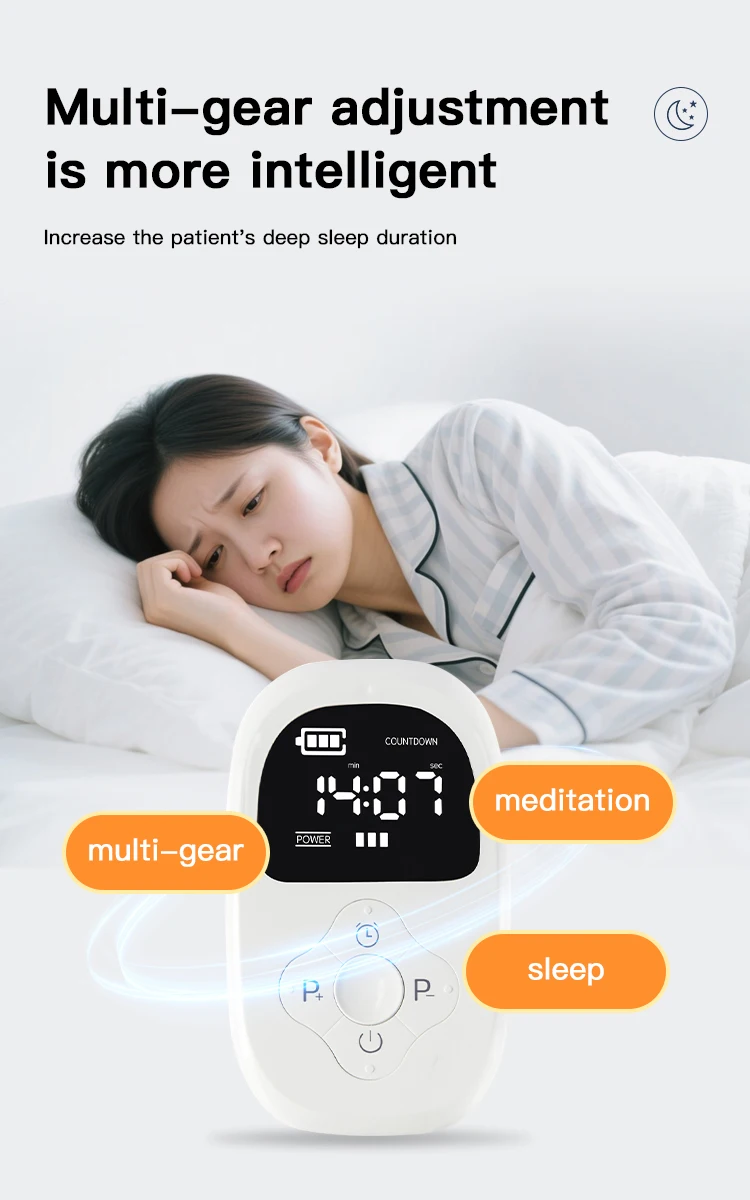
Sleep, Insomnia, Stress relief


SHIPPING
RETURN & WARRANTY